


A cooler bag has evolved into an essential companion for outdoor activities, daily commuting, food delivery, and temperature-sensitive storage. By combining insulation science, durable construction, and consumer-centered design, the cooler bag ensures that beverages, meals, medicines, and perishables remain fresh for extended hours.
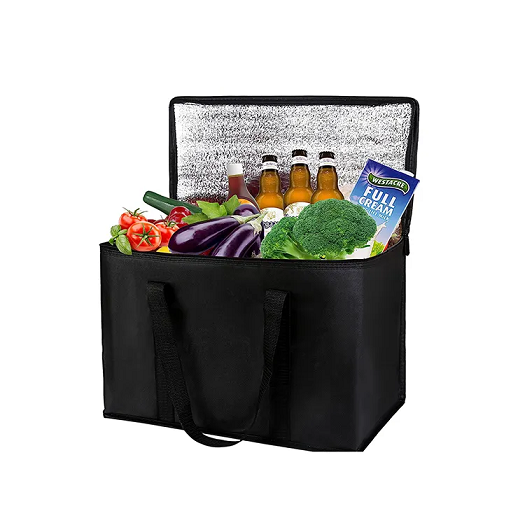
To understand why a cooler bag performs reliably in multiple environments, examining its technical attributes is essential. High-density insulation, multi-layer materials, leakproof structures, tear-resistant fabrics, ergonomic design, and easy-clean surfaces all contribute to long-term usability. Below is a detailed set of specifications representing our cooler bag model, engineered to match large-volume storage needs, long-hour temperature control, and daily convenience.
Product Specifications Table
| Parameter | Description |
|---|---|
| Exterior Material | Waterproof 600D Oxford fabric with anti-abrasion coating |
| Insulation Layer | 8mm high-density EPE insulation for extended cold retention |
| Inner Lining | Food-grade PEVA, leakproof and BPA-free |
| Capacity Options | 12L / 20L / 30L / 40L |
| Cooling Duration | Up to 10–16 hours with ice packs, depending on capacity |
| Carry System | Adjustable padded shoulder strap + reinforced handles |
| Pockets | Multiple exterior pockets for utensils, phones, and accessories |
| Zippers | Waterproof, double-direction zippers for easy access |
| Weight | Ranges from 0.6–1.2 kg depending on size |
| Applications | Picnic, camping, office lunch, travel, beach, grocery transport |
These specifications align with high-demand markets where consumers prioritize durability, leakproof performance, and temperature stability. The engineering approach focuses on maximum cold retention and practicality while maintaining lightweight portability.
How Do Cooler Bags Deliver Multi-Scenario Functionality?
Cooler bags have expanded far beyond outdoor leisure. Their usability covers a wide range of daily and professional situations, making them a high-volume search topic and a frequently purchased product category. Exploring how the cooler bag performs in specific scenarios helps illustrate why demand continues to rise.
Outdoor Activities and Travel
Outdoor enthusiasts rely on cooler bags for camping, hiking, barbecues, and beach trips. The insulated interior maintains cold beverages through hot weather, while the structured design prevents spills or cross-contamination. With adjustable straps and reinforced handles, users can comfortably carry food for large groups.
Daily Work and School Routines
For office workers and students, cooler bags maintain meal freshness for long hours without relying on refrigerators. The ability to prevent odor transfer, preserve taste, and maintain hygienic conditions adds significant value for daily food management.
Grocery and Market Transport
Temperature-sensitive groceries—dairy, meats, seafood, frozen goods—require stable conditions, especially during warm seasons. Cooler bags help maintain cold-chain stability from supermarket to home.
Medicine and Supplement Storage
Certain medicines, such as insulin or probiotics, require controlled temperatures. Cooler bags act as portable storage solutions for short-range travel, providing an affordable alternative to specialized medical containers.
Food Delivery and Catering
Restaurants, catering services, and independent delivery drivers use cooler bags to prevent spoilage and ensure food arrives at optimal conditions. The multi-pocket storage system allows better organization of take-out packaging.
Each of these scenarios highlights the practical value that drives search interest and consumer purchase intent.
Why Do Consumers Prefer High-Specification Cooler Bags?
Understanding user motivation is crucial for developing SEO content and improving product positioning. Cooler bag advantages include:
Extended Temperature Control
High-density insulation layers combined with reflective linings maintain cold temperatures for hours. This function is essential for users in warm climates or during long-distance travel.
Leakproof and Hygienic Design
A PEVA lining prevents leaks and is easy to wipe clean, reducing maintenance time and preventing odors.
Durability and Environmental Protection
Oxford fabric with reinforced stitching reduces waste by extending the product’s lifecycle. Many consumers also prefer reusable cooler bags to reduce reliance on disposable containers.
Optimized Portability
Lightweight construction, multiple size options, and ergonomic straps reduce muscle strain and improve comfort.
Multi-Compartment Convenience
Pockets for utensils, condiments, chargers, and dry items add utility beyond cooling.
Aesthetic Appeal and Lifestyle Integration
Consumers value cooler bags that blend functionality with modern appearance, making them suitable for beach trips, offices, gyms, or hiking environments.
The combination of functional performance and lifestyle versatility explains why cooler bags remain a fast-growing segment.
What Are the Key Market Trends Shaping the Future of Cooler Bags?
The cooler bag industry is experiencing significant evolution driven by user expectations, environmental awareness, and technological innovation.
Sustainable Materials
Recycled polyester, eco-friendly linings, and low-impact manufacturing processes are becoming essential for future product development.
Advanced Insulation Technology
Next-generation insulation materials, such as aerogel-based inserts, promise longer temperature retention without increasing weight.
Smart Cooling Accessories
Consumers are beginning to pair cooler bags with reusable ice bricks, temperature indicators, and modular cold elements designed for specific activities.
Customization and Lifestyle Branding
Companies now offer customizable cooler bags for corporate gifting, sports teams, and outdoor enthusiasts.
Urban Mobility Integration
As urban populations grow, users want cooler bags that integrate with bikes, scooters, and backpacks. Compact designs support evolving city lifestyles.
These trends indicate long-term growth and continuous demand in the global market.
Frequently Asked Questions About Cooler Bags
Below are two of the most common user questions based on search data and consumer feedback.
Q1: How long can a cooler bag keep items cold?
A1: Cooling duration depends on insulation thickness, bag size, outside temperature, and the type of cooling agent used. High-quality cooler bags with 8mm insulation can typically maintain cold temperatures for 10 to 16 hours when used with reusable ice packs. For best results, pre-chilling the contents and minimizing frequent opening helps extend cooling time significantly.
Q2: How should a cooler bag be cleaned after use?
A2: A cooler bag should be emptied immediately after use, then wiped with warm water and mild detergent. The food-grade PEVA lining prevents odor absorption and makes cleaning fast. After washing, the bag must be air-dried with the zipper open to avoid moisture buildup, which can lead to mildew. Avoid machine washing, as it may damage the insulation and fabric.
How Can a High-Quality Cooler Bag Enhance Everyday Living and Outdoor Experiences?
Cooler bags continue to expand in functionality, durability, and convenience, making them a relevant solution for modern lifestyles. Whether used for outdoor exploration, office meal storage, medical transport needs, or grocery preservation, the cooler bag contributes significantly to freshness, hygiene, and comfort. The future of the cooler bag market is shaped by rising expectations for long-lasting insulation, sustainable materials, and practical design enhancements.
Ouxun is committed to developing cooler bags that combine professional insulation technology with user-friendly design, providing reliable temperature control for a wide range of activities. To explore product details or request bulk customization, contact us for further information.


