


Zipper bags, also known as resealable or zip-top bags, have become a staple in households, commercial kitchens, and industrial settings due to their versatility, convenience, and reliability. Designed with a sealing mechanism that locks contents securely, these bags prevent air, moisture, and contaminants from entering, ensuring freshness and safety. Zipper bags are used for food storage, organization of small items, travel essentials, and even industrial applications where protective packaging is required. Their lightweight, transparent, and durable material makes them a convenient solution for everyday needs.
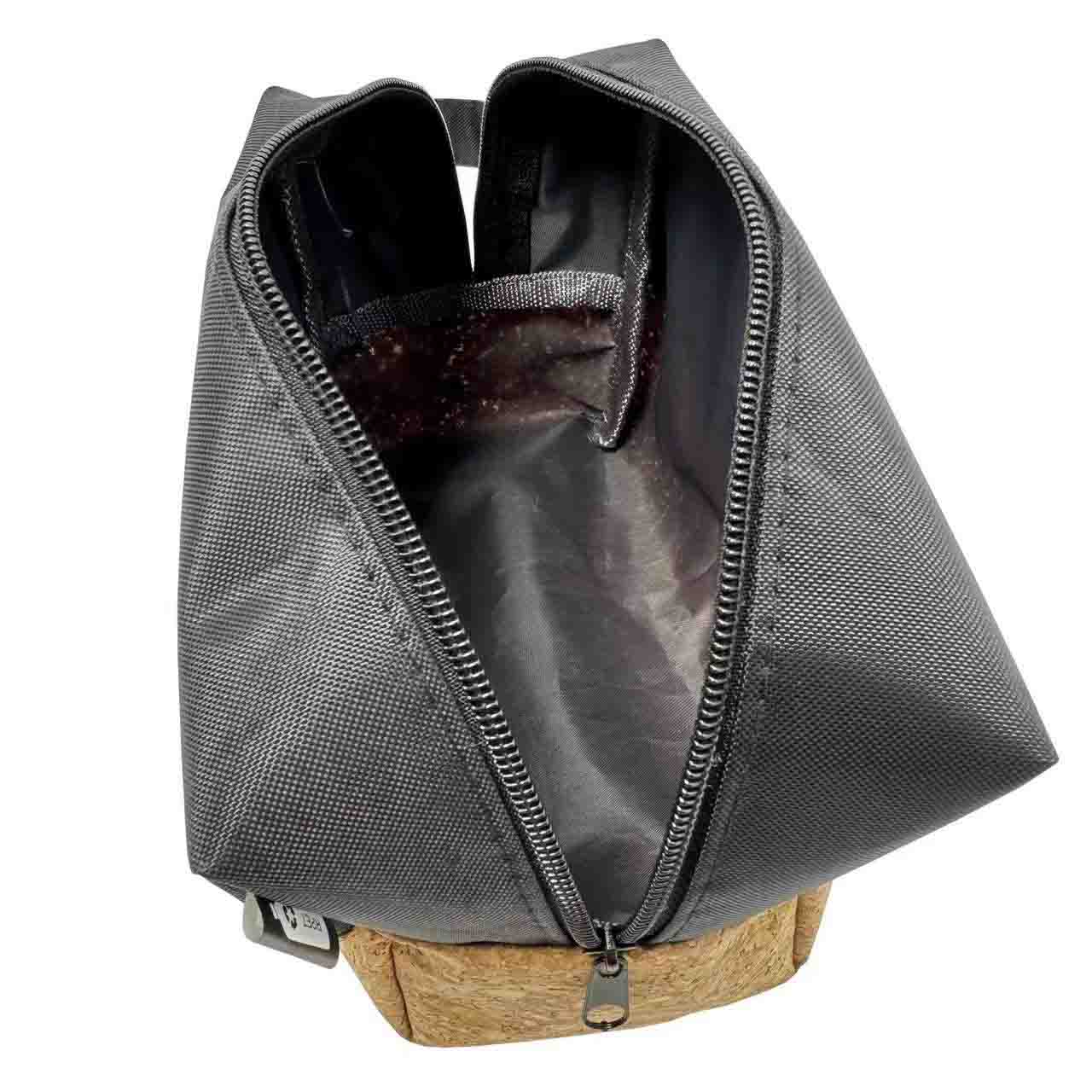
What Are the Key Features and Specifications of Zipper Bags?
Understanding the specifications of zipper bags helps consumers and businesses make informed purchasing decisions. Quality zipper bags are characterized by material strength, thickness, size, sealing reliability, and usage versatility. Below is a detailed overview of typical parameters for high-quality zipper bags:
| Parameter | Specification / Description |
|---|---|
| Material | PE (Polyethylene), PP (Polypropylene), FDA-approved food-safe plastic |
| Thickness | 50–200 microns (varies by intended use) |
| Sizes Available | Small (100×150 mm), Medium (200×250 mm), Large (300×400 mm), Extra-large (500×600 mm) |
| Seal Type | Double-track zipper or press-to-seal |
| Transparency | Clear, semi-transparent, or printed options |
| Temperature Resistance | -20°C to 80°C (suitable for freezing and short-term heating) |
| Durability | Tear-resistant, puncture-resistant, reusable |
| Applications | Food storage, packing, organizing small tools, travel, retail packaging |
These parameters are critical for users seeking reliable storage solutions. Choosing the right thickness and size ensures the bag meets the intended purpose, whether for freezing food, storing dry goods, or organizing non-food items.
How Can Zipper Bags Maximize Convenience and Efficiency in Daily Life?
Zipper bags are more than simple storage solutions; they significantly enhance efficiency in household and commercial environments. Their reusability, easy sealing, and lightweight nature allow for quick organization and reduce the need for bulky containers. They are particularly useful in scenarios such as meal prep, portion control, and travel.
Practical Uses:
-
Food Preservation: Keeps snacks, fresh produce, and leftovers fresh longer. Reduces exposure to air and moisture.
-
Travel Organization: Segregates toiletries, cosmetics, and electronics, ensuring no leaks or damage.
-
Industrial Packaging: Used in electronics, small components, or pharmaceuticals to prevent contamination.
-
Educational and Hobby Use: Organizes stationery, craft supplies, or small toys efficiently.
FAQ Section:
Q1: How long can food stay fresh in a zipper bag?
A1: The freshness period depends on the food type and storage environment. For example, fruits and vegetables last 2–5 days in the refrigerator when stored in high-quality zipper bags, while dry goods like nuts or grains can remain fresh for weeks. Freezing food in thick, durable zipper bags can extend shelf life up to several months without compromising taste or texture.
Q2: Are zipper bags reusable and environmentally friendly?
A2: Yes, many zipper bags are designed for multiple uses, particularly those made from thicker polyethylene or polypropylene. Proper washing and drying between uses can extend the lifespan of the bag. While not all plastic bags are eco-friendly, opting for reusable, food-safe bags reduces single-use plastic waste, contributing to environmental sustainability.
How Do Zipper Bags Compare to Traditional Storage Solutions?
While traditional storage containers like glass jars or plastic boxes offer durability and airtight sealing, zipper bags provide unique advantages that make them indispensable. Their compactness, lightweight design, and flexibility allow them to fit in tight spaces and adapt to various storage needs.
Key Comparisons:
-
Space Efficiency: Zipper bags are stackable and foldable, taking up minimal space compared to rigid containers.
-
Portability: Ideal for travel or on-the-go storage, unlike bulky containers.
-
Cost-Effectiveness: Less expensive than high-quality containers, especially for bulk purchases.
-
Versatility: Suitable for both liquid and dry contents, unlike some containers that may leak or crack.
Zipper bags also cater to modern consumer demands for convenience, speed, and adaptability. They are particularly valuable in commercial kitchens, catering, and small business packaging where quick access and visibility of contents are essential.
FAQ Section:
Q3: Can zipper bags store liquids without leaking?
A3: Yes, high-quality zipper bags with double-track zippers can store liquids securely, provided the bag is not overfilled. For added safety, placing the bag inside another bag or container can prevent spills during transport.
Q4: Are all zipper bags suitable for freezing or microwaving?
A4: Not all zipper bags are safe for extreme temperatures. Bags labeled as freezer-safe or microwave-safe are manufactured with higher-grade materials resistant to cracking or melting. Always check product specifications before exposure to heat or cold.
How Will Zipper Bags Evolve in the Future of Packaging and Storage?
The demand for practical, eco-conscious, and durable storage solutions continues to drive innovation in the zipper bag market. Future developments may focus on sustainable materials, improved sealing mechanisms, and enhanced reusability. Innovations such as biodegradable plastics, multi-layered protection for extended freshness, and customization for branding or identification are shaping the next generation of zipper bags.
Zipper bags are increasingly integrated into industries beyond food storage, including electronics, healthcare, and retail, due to their adaptability and cost efficiency. Consumers are also more aware of environmental concerns, leading to a push for recyclable and reusable options that balance convenience with sustainability.
In conclusion, Ouxun zipper bags exemplify high-quality design, practical functionality, and long-term reliability. Whether used in households, businesses, or industrial applications, these bags provide flexible solutions for storage and organization needs. For personalized inquiries or bulk orders, contact us to explore the full range of Ouxun products and discover how they can enhance storage efficiency and product protection.


